
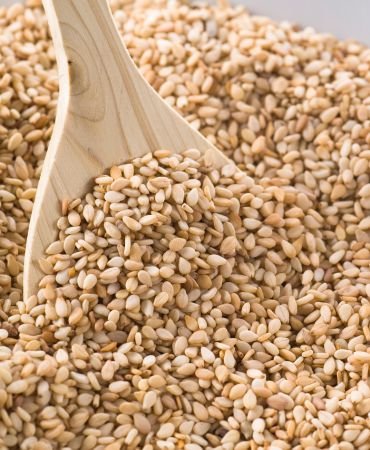

Sesame Seed
Sesame seeds, popularly known as Til in India, are one of the oldest oilseed crops known to humanity and hold a special place in Indian cuisine, culture, and trade. These tiny, oval-shaped seeds are available in white, black, brown, and golden varieties, each carrying a unique flavor and nutritional profile. Rich in oil content, protein, calcium, iron, and dietary fiber, sesame seeds are valued for their health benefits, including boosting energy, improving digestion, and supporting heart health. In Indian cooking, sesame seeds are widely used in sweets like til ladoo, chikki, and gajak, as well as in snacks, curries, chutneys, and spice blends, where they lend a nutty taste and crunchy texture. They are also pressed to extract sesame oil (gingelly oil or til oil), which is a staple for cooking and traditional Ayurvedic therapies. Beyond culinary use, sesame seeds have deep cultural and religious significance in India, often used in rituals, especially during festivals like Makar Sankranti. India is one of the leading producers and exporters of sesame seeds, supplying to markets across the Middle East, Asia, Europe, and North America. With their versatility, rich nutrition, and cultural importance, sesame seeds continue to be a cornerstone of both the Indian diet and the global spice and oilseed trade.