
Millet (Bajra)
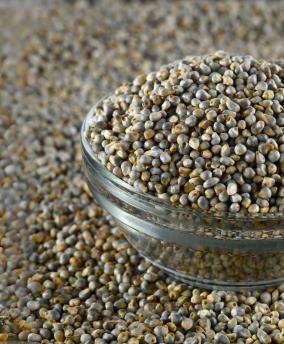
Millet, popularly known as Bajra in India, is one of the most important ancient grains cultivated and consumed across the country, especially in arid and semi-arid regions. Bajra grains are small, round, and light brown to grey in color, packed with rich nutrients that make them a powerhouse of health. They are an excellent source of iron, protein, fiber, magnesium, and essential amino acids, making them a natural superfood for energy and strength. In Indian cuisine, bajra is commonly used to prepare rotis, porridge, khichdi, and traditional snacks, especially in states like Rajasthan, Gujarat, and Haryana. Known for being gluten-free, it is highly suitable for people with wheat allergies and for those seeking a healthy diet. Its high fiber content supports digestion, while its low glycemic index helps in managing blood sugar levels, making it a preferred grain for diabetics. Bajra also plays a vital role in Ayurveda, where it is valued for its ability to provide warmth and energy during winters. As part of India’s growing focus on traditional and sustainable crops, millet (bajra) has gained global recognition and is now being promoted as a climate-resilient grain with immense nutritional benefits.